
Can exercise improve symptoms of HIV?
Living with HIV today is very different from what it once was. Modern antiretroviral therapy (ART) allows people with HIV to lead long, healthy lives — but medication is only one part of the overall picture. Many people want to know what else they can do to support their wellbeing. One of the most common questions we hear is: can exercise improve symptoms of HIV?
While exercise can’t cure HIV, it can make living with the condition much more tolerable. In this article, we’ll explore what the evidence really says about exercise and HIV: the benefits, what types of activity count, how often to exercise, and how to overcome common barriers like time, cost, or motivation.
Keep reading to find out more.
HIV can have serious impacts on your health if it’s left untreated.
What counts as “exercise”?
When you hear the word exercise, you might think of gyms, running shoes, or workout classes. But exercise doesn’t have to be complicated or expensive.
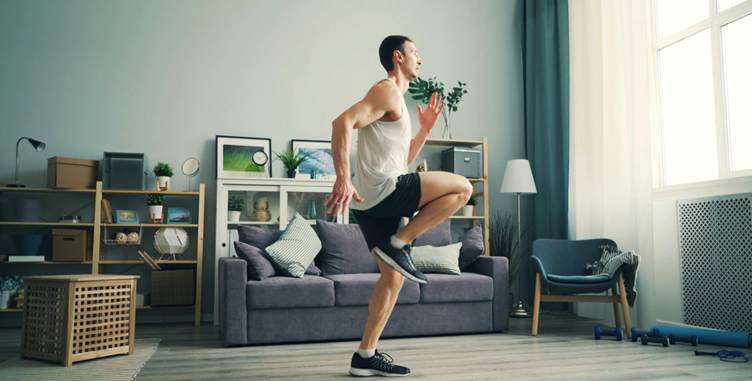
At its core, exercise is any planned activity that gets your body moving and helps you stay fit. This can include walking, stretching, dancing in your kitchen, or doing short strength‑building moves at home.
Exercise vs physical activity
Many people use the words exercise and physical activity interchangably, and they’re related — but not the same.
- Physical activity is any movement your body does in daily life — such as carrying groceries, cleaning, gardening, or walking to the bus stop.
- Exercise is a planned activity you do on purpose to build strength, flexibility, or endurance — like going for a brisk walk, lifting weights, or following an online workout.
Your body benefits from both, and doing a little bit more of either can help you feel better and stronger.
Why this matters for people living with HIV
Many people living with HIV find it hard to stay active — and there are real reasons for this. Research shows that nearly half of people with HIV have low levels of physical activity, especially women and people with lower CD4 cell counts or lower confidence in their ability to exercise. Some also face barriers such as time constraints, health concerns, or limited access to facilities.
Because physical inactivity is common in people with HIV — and sometimes confused with “HIV‑related fatigue” — it’s important to understand that moving your body, even in small ways, can make a real difference. Research shows that structured exercise (like aerobic or resistance workouts) can safely improve things like strength, body composition, and overall quality of life for people living with HIV.
The health benefits of regular exercise
Exercise is one of the easiest and most effective ways to support your health when you’re living with HIV. Most types of exercise are safe and can help improve many of the common challenges people with HIV face.
Short term benefits
These are the changes you may notice soon after becoming more active:
- Helps you feel better and function better right away.
- Reduces anxiety, helping you feel calmer during the day.
- Lowers blood pressure, which supports heart health.
- Improves your sleep quality, letting your body rest and recover more easily.
These changes often start with just a little movement — like a brisk walk or a short stretching routine.
Long term benefits
Sticking with regular excercise can give your body powerful long‑term protection:
- Brain health: Lowers your risk of dementia and depression.
- Heart health: Reduces your risk of heart disease, stroke, and type 2 diabetes.
- Cancer prevention: Helps lower the risk of certain cancers.
- Healthy weight: Supports weight control and reduces the chance of unwanted weight gain.
- Bone strength: Builds stronger bones and reduces the risk of fractures.
- Balance and coordination: Helps prevent falls as you age.
Specific benefits for HIV-positive individuals
People with HIV may face certain challenges that exercise can directly help with.
1. Better body composition and strength
Moderate‑ to high‑intensity aerobic and resistance exercise can safely improve:
- Muscular strength
- Body composition (more lean mass, less fat mass)
- Functional capacity, making day‑to‑day activities feel easier
These improvements support better energy, mobility, and independence.
2. Improved cholesterol and blood sugar levels
Many people with HIV have higher levels of blood sugar and fats, including cholesterol. Regular exercise can:
- Lower “bad” cholesterol
- Increase HDL (“good”) cholesterol, which is often low in people experiencing HIV‑related weight loss
- Support healthier blood sugar levels
3. Support during HIV‑related weight loss (“wasting”)
Resistance training can increase lean muscle mass, which is especially important for people who are losing weight due to HIV or treatment‑related side effects.
4. Cognitive and emotional benefits
Exercise can also help improve mood, which can be vitally important for anyone dealing with the emotional dimension of an HIV diagnosis.
5. No negative effect on immunity
One common worry is that exercise might “weaken” the immune system, but aerobic exercise has no negative effect on immune function or HIV progression.
FAQs
I can’t afford a gym membership. What should I do?
You don’t need a gym to stay active. Many types of exercise are completely free — like walking, running, stretching at home, or doing body‑weight movements such as squats or press‑ups. Exercise doesn’t have to be complicated or costly, and simple activities you can do at home still count toward better health.
What if I don’t have time?
Even if you’re busy, small bits of movement can still make a difference. Adding small bursts of activity into your day, like walking more or doing a few strength moves at home, can help you stay active without needing extra time.
What’s the best exercise routine for me?
There isn’t one perfect routine for everyone, but research shows that doing aerobic exercise, resistance exercise, or a mix of both two to five times per week can improve your overall fitness. The studies behind this are still small, so researchers say we may learn more over time, but the current evidence suggests that a balanced mix of movement each week is both safe and helpful.
Exercise tips for people with HIV
Do what you enjoy
Sticking to exercise is much easier when you actually like what you’re doing. Choose activities that feel good to you. Enjoyment makes consistency more likely.
Don’t take on too much too quickly
It’s normal to want fast results, but starting slowly is more sustainable. Small steps help you build confidence and avoid burnout or injury. Even a few minutes of movement a day can be a solid start.
Pay attention to your diet
Exercise works best when your body is well‑fuelled. Eating balanced meals with enough protein, vegetables, fruits, and whole grains can support your energy levels, muscle strength, and overall health — especially if you’re managing HIV.
Push yourself where you can
Once you feel comfortable, gently challenge yourself. This might mean walking a bit farther, adding another set of an exercise, or trying something slightly more intense. Progress doesn’t need to be dramatic — small improvements add up.
Don’t rely on motivation
Motivation goes up and down for everyone. What helps most is building simple routines you can follow even on low‑energy days. Setting reminders, planning short sessions, or pairing exercise with music or a podcast can make it easier to stick with it.
Final thoughts
Exercise can’t replace HIV treatment, but it can make a real difference in how you feel each day. What matters most is finding activities you enjoy and can stick with. Small, consistent steps can help you feel more energetic, more confident, and more in control of your health. And whether you’re new to exercise or getting back into a routine, every bit of movement counts.

Don’t leave your sexual health to chance.


Categories
- Awards
- Bacterial Vaginosis
- Blood Tests
- Cardiovascular Health
- Cervical Cancer
- Chlamydia
- Condoms
- Covid-19
- Gardnerella
- Genital Warts
- Gonorrhoea
- Health and Wellness
- Hepatitis A
- Hepatitis B
- Hepatitis C
- Herpes
- HIV
- HIV (AIDS)
- Home Testing
- HPV
- Instant Testing
- MSM
- Mycoplasma
- News
- Non-Specific Urethritis
- PAP Smear
- Pre-Pregnancy
- Sexual Health
- STD Symptoms
- STD Tests and Screens
- STI Transmission
- Stigma
- STIs
- Swab Tests
- Syphilis
- Trichomonas
- Ureaplasma
- WSW
- Zika