
What does an inconclusive test result mean?
Everyone knows the relief that comes with a negative test result, and those same people can imagine the fear and dread that come with a positive one.
But some people will get a result that doesn’t cause fear or relief – it just makes them scratch their head.
Inconclusive results are uncommon, but they happen. Keep reading to find out what they are, why they happen, and what to do if you get one.
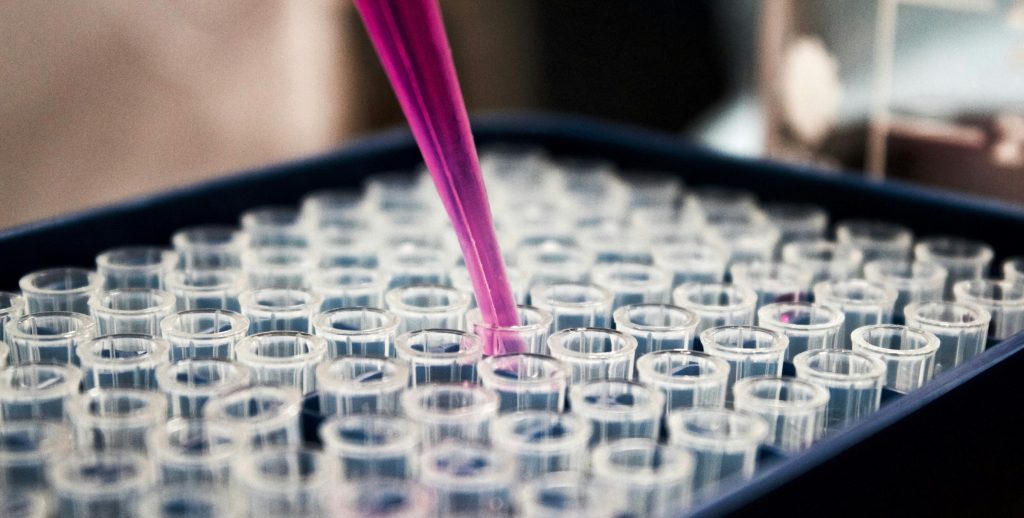
It’s important to know your sexual health status.
How do STI tests work?
In order to understand what inconclusive test results might mean, we need to understand how STI tests work.
Like many medical tests, STI tests use samples – a representative piece of a problem area – to determine whether an infection is present. These samples are usually in the form of blood, urine, or swabs.
- Blood samples are collected from your vein using a needle. This can be done in a clinic by a nurse or at home using a finger lance.
- Urine samples are collected in containers, either in-clinic or at home. They’re usually collected by the patient in either circumstance.
- Swab samples are collected by using a swab to collect a bit of material from the affected area – usually the genitals, mouth, or rectum.
These samples are then processed using a variety of testing methods, such as polymerase chain reaction (PCR), antibody testing, and antigen testing, depending on the infection being tested for.
- PCR tests detect the DNA of specific pathogens in a sample.
- Antibody tests detect antibodies your body produces to fight certain infections. Antibody tests are usually done for viral infections like HIV and Hepatitis B.
- Antigen tests detect antigens created by viruses. Antigen tests can help detect certain infections in the earliest stages.
There are four possible outcomes to a test: positive, negative, inconclusive, and equivocal. You probably know what positive and negative mean. But what about the other two?
What does an inconclusive test result mean?
“Inconclusive” means that the test in question was run correctly – nothing wrong with the equipment – but the laboratory wasn’t able to make a reliable determination, whether positive or negative. In other words, the sample didn’t provide a definitive result one way or another.
What does an equivocal test result mean?
An “equivocal” test result is similar to an inconclusive test result. However, it means something a bit more specific: that the results fall into a borderline range – too low to be considered positive, but too high to be considered negative. This kind of result is most common with antibody tests.
Why would you get these results?
An inconclusive or equivocal test result can be caused by a few factors.
Sample issues
Sometimes, a sample isn’t optimal. If the sample provided isn’t viable, the test won’t be able to detect an infection.
Some common sampling issues include:
- Insufficient sampling: The amount of blood or urine provided didn’t meet the required threshold.
- Degradation: Too much time has passed since the sample was taken. This is usually caused by delayed transport. Heat and cold in transit can spoil the sample.
- Contamination: Foreign substances have tainted the sample, making it unsuitable for testing.
- Improper collection and storage: Issues during collection may compromise the viability of the sample, for example, if the sample was not centrifuged in the laboratory or not frozen quickly for storage or transport.
Improper timing of the sample or early stage of a condition
For an infection to reach a level detectable within your body, samples need to be taken at the appropriate time. We call this the “window period”.
For most STI tests, 14 days after the incident of concern should be sufficient. However, a longer period (a few more days to several weeks) could provide a more robust and reliable sample.
For example, it’s fairly common for people infected with HIV to get tested too early. The urgency to get clarity about their condition might cause some people to get tested before the appropriate amount of antigens or antibodies has developed. Someone who gets tested too early may get a negative test result but still be infected. This may make it hard for the laboratory equipment to establish the correct test result.
If you’re getting tested, pay attention to clinical guidance around test timing.
Biological variation
In antibody testing, some people naturally produce borderline or fluctuating antibody levels, and the immune response can vary from patient to patient. In other words, some people may produce more antibodies than others in response to the same infection. This can make determining critical levels of said antibodies a bit difficult in certain circumstances.
Medications and supplements
While most tests aren’t affected by medication or supplements, excessive consumption of biotins (vitamin B7 or B8, vitamin H, or coenzyme R) should be avoided in the days before testing.
Since steroid medication, like prednisone, used to treat inflammatory conditions, can alter your immune response, it may jeopardise the possibility of a robust test results. Similarly, the use of chemotherapy or immune-suppressive agents in autoimmune disorders can also interact negatively with some test results.
Other immunoassays for hormone tests can also be affected by substances like dopamine, fluorescein, and prednisone.
Consult your doctor before you get tested if you are taking any medications.
Technical factors
These are laboratory and instrument-related factors that can disrupt accurate detection.
- Low-level signal interference: Interference refers to substances or conditions that disrupt the test’s ability to detect the pathogen signal accurately. These can include sample contaminants from powders or detergents, as well as matrix effects, in which the natural composition of a specimen influences signal production.
- Borderline assay performance: Assays are designed with defined thresholds. Borderline performance can happen when small fluctuations push results into a “gray area”. Some techniques like PCR are very precise, whereas the antibody tests for Syphilis may be more problematic.
- Instrument variability: Miscalibrated equipment, unstable temperature control, or inconsistent reagent quality can all make a result unreliable. Better2Know use only the best laboratory services where each centre is inspected and undergoes quality control testing.
- Procedural errors: Sometimes, errors occur resulting from handling samples and testing – pipetting mistakes, mislabelling, and deviations from protocols can affect assay performance.
Diet and lifestyle
Certain diet and lifestyle factors can affect test results.
- Not fasting: Eating before a test that requires fasting can alter your blood sugar and lipid levels.
- Physical activity: Strenuous exercise before a test can elevate certain muscle enzymes.
- Time of day: Levels of some hormones, like cortisol, fluctuate throughout the day based on your circadian rhythm. The timing of the test can be critical.
- Menstrual cycle: When you get tested during your cycle might skew results into uncertain territory.
It is important to note that none of the above will affect the progression of any STIs.
Other conditions
Cross-reactivity between antibodies and a different, related virus (e.g., a common cold) can cause an equivocal result on an antibody test. This is probably the most common cause of these unexpected borderline results. In fact, having an STI like syphilis can also increase the risk of borderline results in other tests such as an HIV test.
Individual biological variability
Some people naturally have levels of certain biomarkers that fall outside the “normal” range but are normal for them, which may be flagged as an unclear result. This is also a common phenomenon with all syphilis tests, and we would look at each situation individually to see whether there are compelling symptoms, and not just take into account the test result.
What should you do if you get these results?
Getting one of these results can be confusing. Here’s what we recommend to all our patients who get an inconclusive or equivocal result.
Repeat testing
Getting tested again is the first step. This may provide clarity, especially if there were issues with the collected sample. You may be advised that it’s best to wait a while, which can be stressful but could be the best way to avoid a repeat for the situation. We recommend that you don’t think the worst, as it is so often the case that things are clarified in the repeat test easily.
Following clinical advice
When getting an inconclusive result, subsequent tests must be conducted using the different procedures and methods. Patients undergoing testing should follow any clinical guidance given in this respect.
Consider the clinical context
Symptoms, exposure history, or other relevant information may guide next steps alongside the repeat test. . After all, we are treating people, not lab results, and so often the key to knowing what to do from a medical point of view is in what the patient says has happened and how they’re feeling. A medical consultation will put everything into context and guide you through this difficult moment.
Final thoughts
Getting any test result other than a negative can be very stressful. But it’s important not to panic. Remember that most STIs are curable, and most others can be managed with the right care and medication.
Book an STI test near you by clicking the button below. You can also speak to a member of our friendly Patient Services team. They can speak to you about your situation and even book a test for you.

Don’t leave your sexual health to chance.
This article has been medically reviewed by Dr. Steve Chapman, 03/02/2026.


Categories
- Awards
- Bacterial Vaginosis
- Blood Tests
- Cardiovascular Health
- Cervical Cancer
- Chlamydia
- Condoms
- Covid-19
- Gardnerella
- Genital Warts
- Gonorrhoea
- Health and Wellness
- Hepatitis A
- Hepatitis B
- Hepatitis C
- Herpes
- HIV
- HIV (AIDS)
- Home Testing
- HPV
- Instant Testing
- MSM
- Mycoplasma
- News
- Non-Specific Urethritis
- PAP Smear
- Pre-Pregnancy
- Sexual Health
- STD Symptoms
- STD Tests and Screens
- STI Transmission
- Stigma
- STIs
- Swab Tests
- Syphilis
- Trichomonas
- Ureaplasma
- WSW
- Zika