
Can Herpes affect fertility?
Summary:
- In most cases, Herpes doesn’t affect fertility – but in rare cases, it can
- The vast majority of women who have Herpes go on to have successful pregnancies
- When Herpes affects the fertility of men and women, it usually does so in indirect ways
When you start thinking about starting a family, you may not initially be worried about Herpes. But it’s a common question we hear at Better2Know – can Herpes affect fertility?
Understanding how Herpes affects your body, and when it might matter, can help you make informed, confident decisions about your reproductive health. Keep reading to find out more.
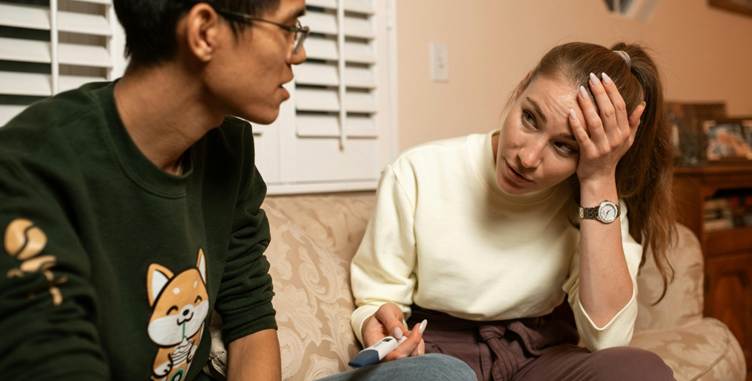
Lots of STIs can affect your fertility.
What is Herpes?
Herpes is a common viral infection caused by the Herpes Simplex Virus (HSV). There are two main types:
- HSV‑1: often associated with oral Herpes (cold sores)
- HSV‑2: more commonly linked to genital Herpes
Both types can affect the mouth or genitals and are usually spread through skin‑to‑skin contact. Many people with Herpes have no noticeable symptoms, which means it’s possible to have the virus without realising it.
Can Herpes affect fertility?
In most cases, Herpes doesn’t affect fertility.
Unlike some STIs like Chlamydia or Gonorrhoea, Herpes doesn’t damage the reproductive organs or interfere with egg or sperm production. This means it doesn’t typically prevent conception.
The good news is that, for most people, Herpes doesn’t directly affect fertility. In fact, many people booking Herpes tests at Better2Know are doing so as part of proactive family planning. Over three‑quarters (77%) of our patients booking targeted Herpes tests are under 35, right in the prime reproductive years.
In women
Herpes doesn’t affect a woman’s ability to get pregnant. Unlike bacterial STIs that can damage the fallopian tubes, Herpes is site-specific, meaning it only affects the area where the infection was initially contracted.
However, Herpes can make conceiving difficult. The fear of passing on the infection, or the discomfort caused by outbreaks, can make having unprotected sex problematic for some people. However, these issues can usually be resolved by both partners educating themselves about Herpes and by the infected party taking antiviral medication.
In men
Several studies have shown that a genital Herpes infection can affect a man’s fertility, reducing the quantity and quality of sperm. The infection of semen with HSV can reduce sperm count, motility, and volume.
Can a Herpes infection affect a pregnancy?
This depends on whether the woman got the infection before or after she got pregnant.
If she got Herpes before pregnancy, there’s a very low risk of transmitting the virus to the baby. Herpes antibodies are passed on to the baby through the placenta.
However, if she contracted the infection during pregnancy, the risk of passing it on to the baby is higher since the mother won’t have any pre-existing antibodies to pass on. There will also be a greater risk of an outbreak during delivery. In this situation, a C-section may be necessary to protect the baby from the infection.
When should I get tested?
There’s no single “right” time to test for Herpes. It depends on your circumstances and what you’re planning for.
If you’re thinking about starting a family, testing before trying to conceive can be a sensible step.
It’s also worth testing if:
- You or your partner have had new or multiple sexual partners
- You’ve noticed symptoms such as sores, blisters, or unexplained irritation
- You’re planning a pregnancy and want reassurance
- You’re already pregnant and haven’t been tested before
Because Herpes often causes no symptoms, testing can provide valuable peace of mind. That’s also why nearly 60% of Better2Know patients choose comprehensive multi‑infection panels rather than a single test, ensuring that nothing else is quietly affecting their fertility or long‑term health.
FAQs
Can you still get herpes if you use condoms every time?
Yes. Even with correct and consistent use, herpes can still be transmitted through uncovered skin, particularly if one partner carries the virus without symptoms.
Is Herpes only contagious when there are visible sores?
No. Herpes can be passed on even when there are no visible symptoms due to asymptomatic viral shedding.
Should I get tested for Herpes if I practise safer sex?
Many people choose to test for peace of mind, especially because herpes often causes no symptoms and isn’t always included in standard STI screens.
Final thoughts
So, can Herpes affect fertility? For most people, no. But there are some cases where it can.
If you’re thinking about starting a family, comprehensive STI testing can offer clarity, reassurance, and peace of mind, helping you focus on what really matters next.
Call our helpful team today to book an STI test at a clinic near you.

Don’t leave your sexual health to chance.


Categories
- Awards
- Bacterial Vaginosis
- Blood Tests
- Cardiovascular Health
- Cervical Cancer
- Chlamydia
- Condoms
- Covid-19
- Gardnerella
- Genital Warts
- Gonorrhoea
- Health and Wellness
- Hepatitis A
- Hepatitis B
- Hepatitis C
- Herpes
- HIV
- HIV (AIDS)
- Home Testing
- HPV
- Instant Testing
- MSM
- Mycoplasma
- News
- Non-Specific Urethritis
- PAP Smear
- Pre-Pregnancy
- Sexual Health
- STD Symptoms
- STD Tests and Screens
- STI Transmission
- Stigma
- STIs
- Swab Tests
- Syphilis
- Trichomonas
- Ureaplasma
- WSW
- Zika